
On any given week in Greater Boston, you’re likely to find a group of queer residents gathered around sewing machines, reading banned books, or pressing local politicians on housing rights. The thread tying those moments together is the Queer Neighborhood Council, a two-year-old grassroots nonprofit built on a simple idea of getting queer folks together to focus on civics and advocacy.
Queer groups have been consistently rooted in civics and advocacy work for decades, but before the advocacy comes creating a community. The Queer Neighborhood Council (TQNC) was founded in May 2023 by co-founders Jack Imbergamo and Matthew Broude. Just one conversation led to the birth of the nonprofit, and two years later they have hosted and organized over 150 events in the Greater Boston area and collaborated with more than 4000 community members.
“The Queer Neighborhood Council was founded on the belief that LGBTQIA+ folks deserve to safely exist as our whole selves. The main focus is building this intersectional community of queer folks and our allies within the Greater Boston area with a focus on civics and advocacy. But more than anything, it’s community building online and in person,” said co-founder and executive Director Jack Imbergamo.
Some of their events include their monthly “Sew Gay Club,” hosted at the Charlotte and William Bloomberg Medford Public Library; Trans Day of Remembrance Days of Action and vigils; and a “Resistance Is Reading” book club. Their goal is to bring together their members and allies both through activism and community-building activities meant to generate queer joy.
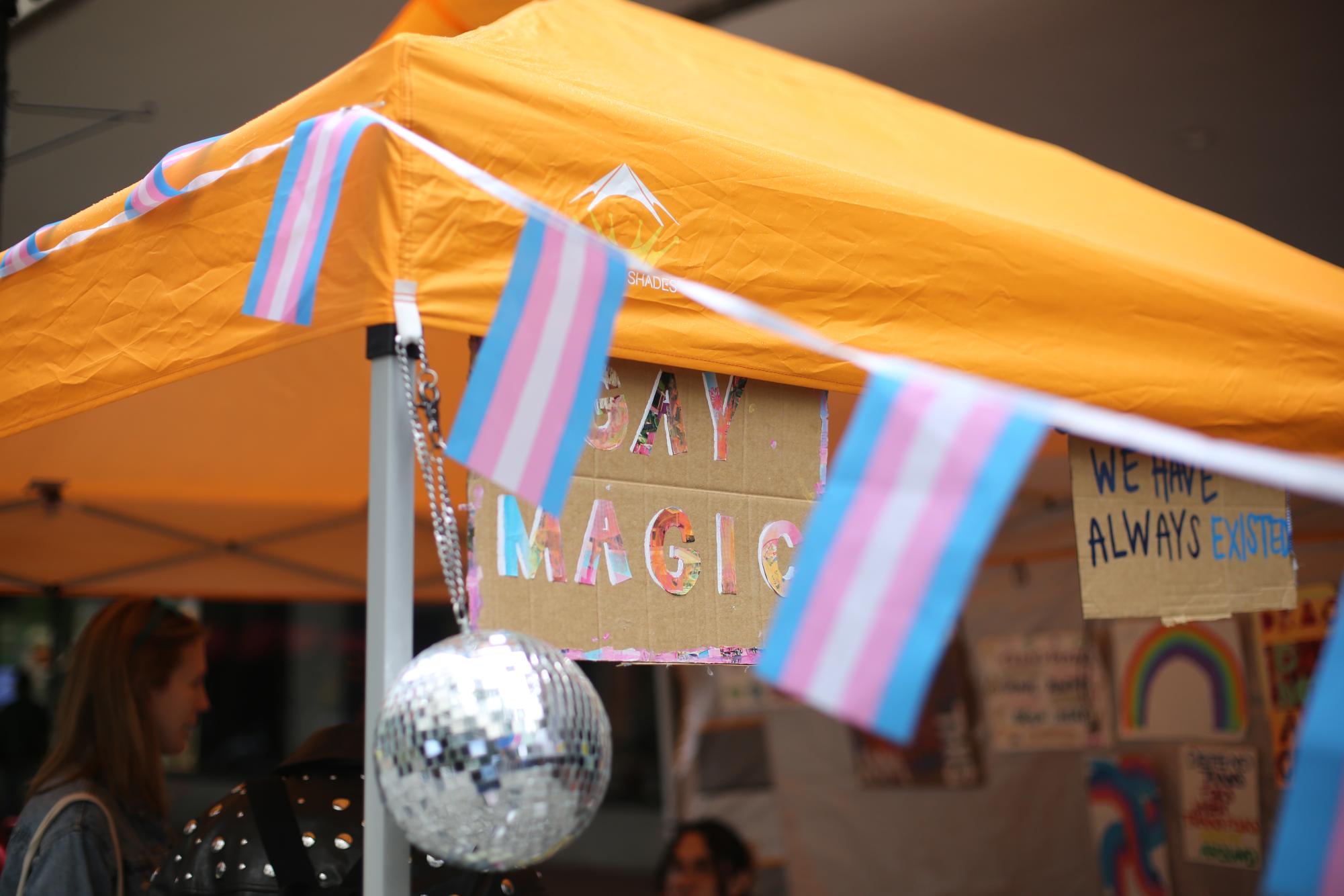
“When we first started, we saw a lot of queer community was centered around nightlife and drinking, and we really wanted to get people in person, in the same room, talking to one another and being present,” said Imbergamo.
“We host about six events a month focused on community spaces, advocacy, and community arts. Mainly all our events are free, and we try to make our events as accessible as possible. We are open to the public and mainly open to all ages.”
They have a queer advocacy group that has been meeting for about two years, where their priorities are creating queer youth spaces, opening a trans shelter, and right to counsel. They have met with elected officials and policy experts to discuss their efforts and advocate for their demands. Through their efforts, both the city of Boston and the state of Massachusetts have adopted pilot programs for right to counsel.
“We often think of Massachusetts as a safe haven, at least for queer folk, but it’s only a safe space if we have a place to live, if we can afford to live here,” said Imbergamo.
One of their larger events recently was the Abundant Housing Forum co-hosted by TQNC and Abundant Housing Massachusetts. Since its founding, the nonprofit has been working on policy roundtables with elected officials to bring their priorities in front of the political sphere in Boston. With the municipal elections in the fall, the organization found an opportunity to bring to light to the candidates how Boston’s housing crisis has been affecting the queer community.
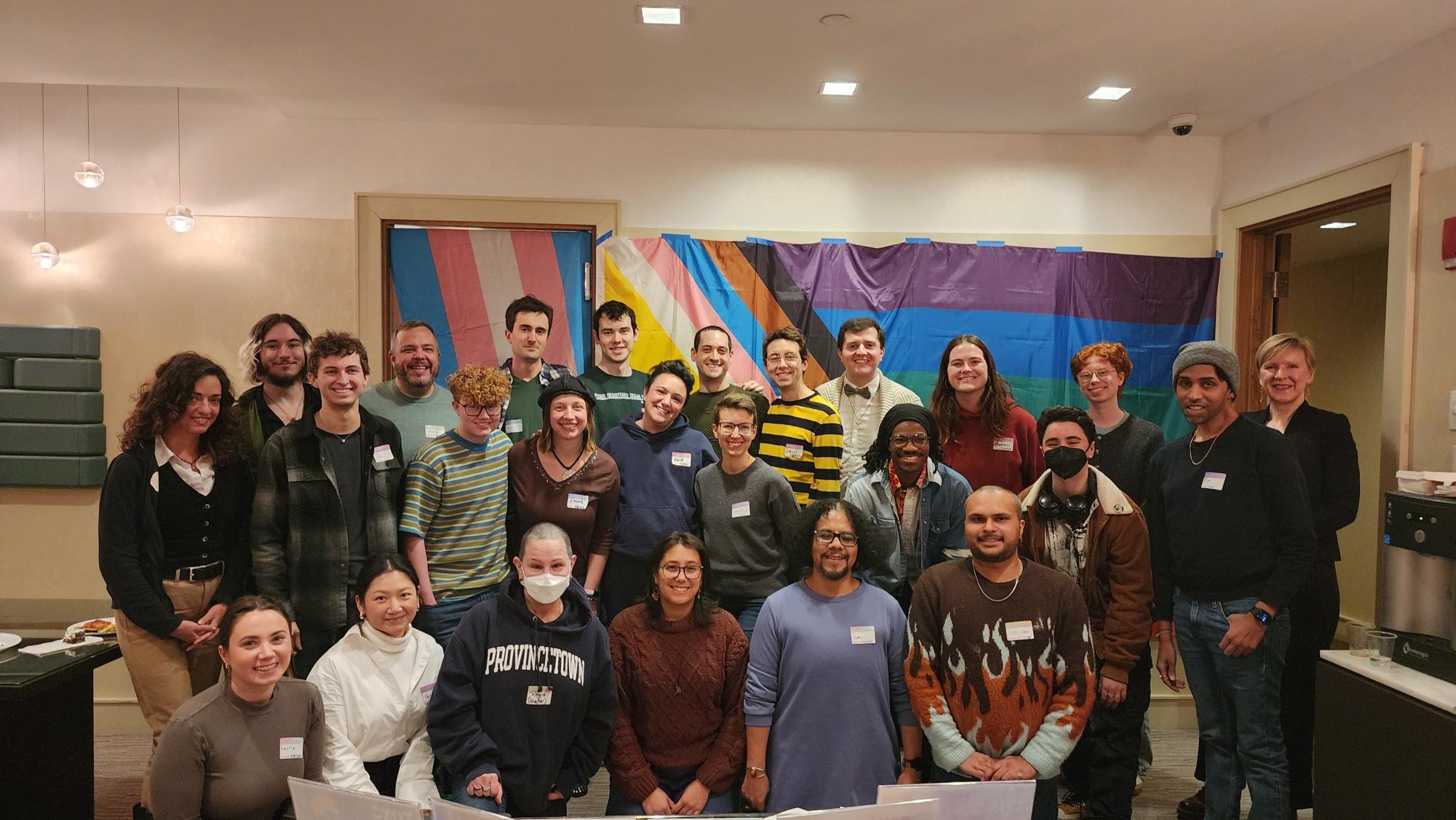
“When we first started, Abundant Housing had held a similar at-large candidate forum that we brought a contingent of queer folks there and they got to meet with the counselors and hear their perspectives,” said Imbergamo. “We thought it would be a really great opportunity where so much of our advocacy work is around housing, and with this housing crisis we are experiencing in Boston, we wanted to take advantage of this opportunity to ask the candidates important questions that the community had.”
Boston’s housing crisis was at the forefront of this past election season, with many candidates for all districts and the at-large seats making strong vows to work toward it. Queer individuals face poverty and lack of housing at a higher rate than straight individuals. A 2019 study from the University of California Los Angelos shows that 21.6% of LGBTQ+ adults in the United States live in poverty compared to 15.7% of straight adults. Transgender adults have the highest rate of poverty at 29.4%.
“I think we need to be addressing this issue through the lens of it being a crisis. I have sat through way too many civic, organization, or community meetings where it feels like we’re missing the point, or we’re dropping the ball,” said Imbergamo. “I think it was long overdue to get these potential city counselors in a room and really hold their feet to the fire and ask them what they plan on doing.”
The Queer Neighborhood Council is only two years old, but there is still a long way to go in securing safe and welcoming spaces for queer individuals and their allies. They continue to advocate for themselves and their community by spreading information and queer joy.
“These spaces have always been important for our community. And they are going to continue to be important for us because we are not going anywhere,” said Imbergamo. “Our existence is getting increasingly threatened, and we have a long way to go. We’re saving ourselves and we’re only going to do that in community, with each other.”