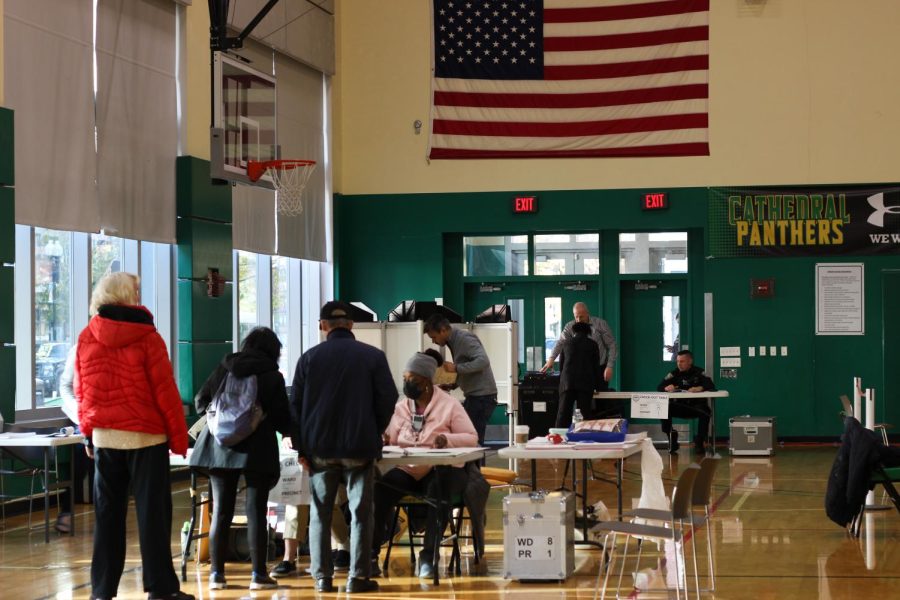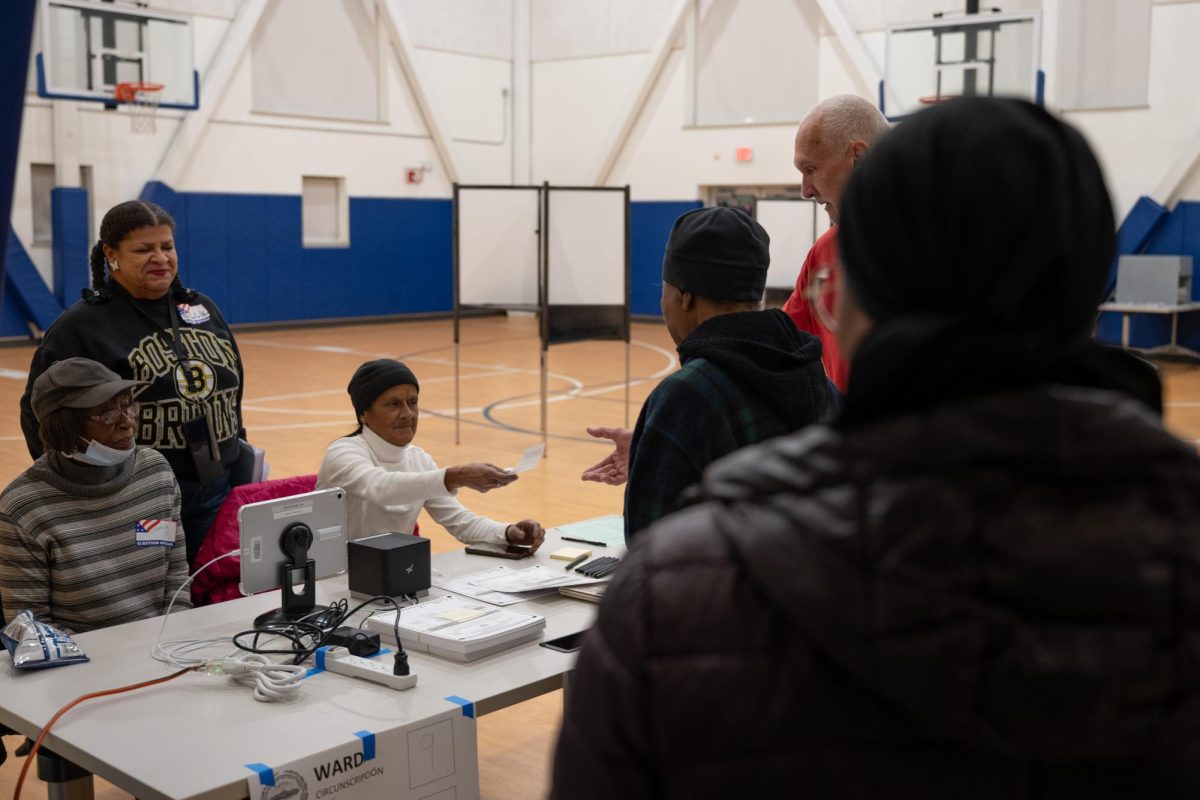
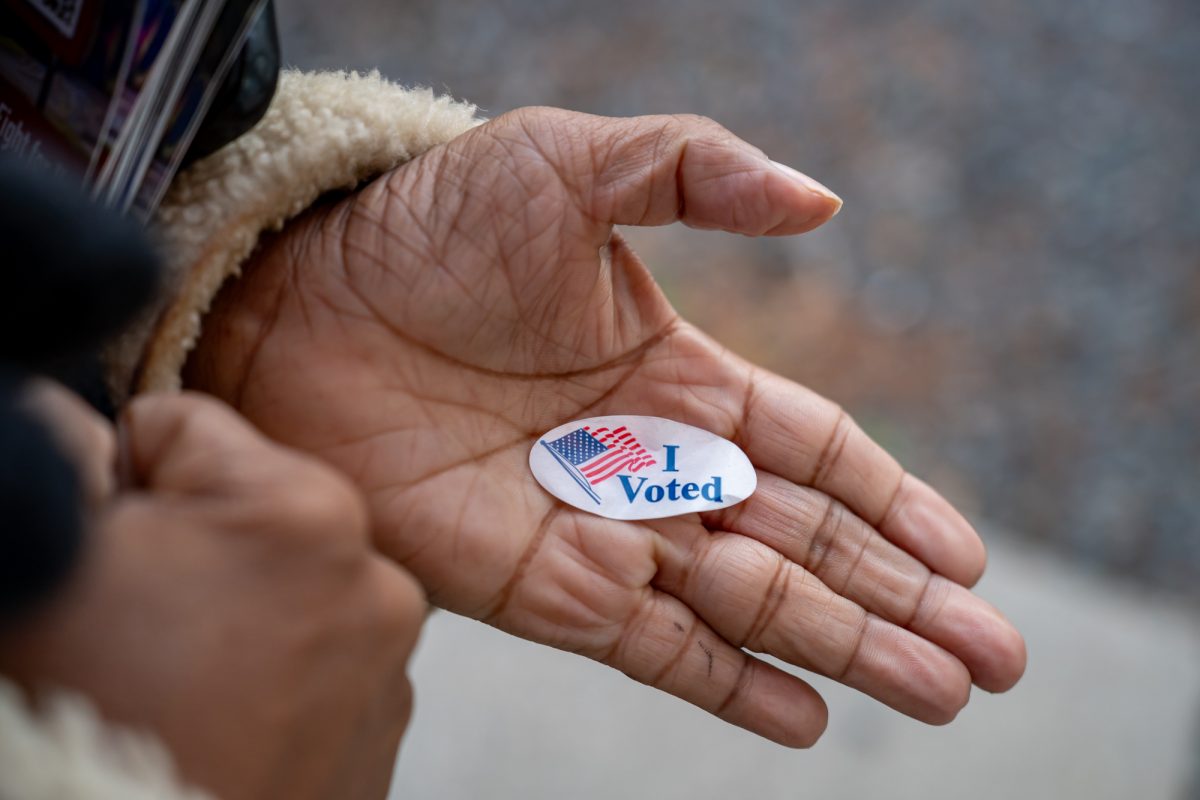
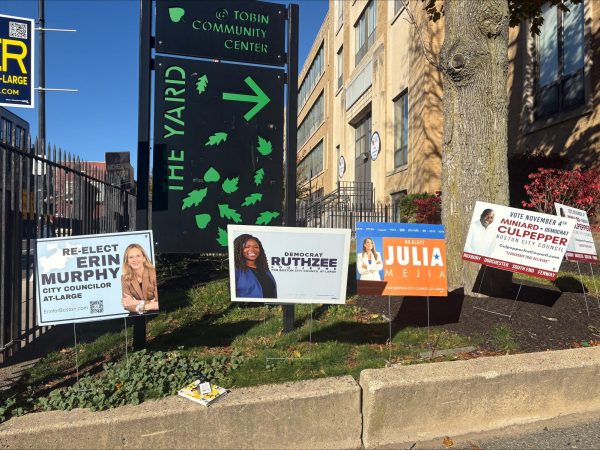
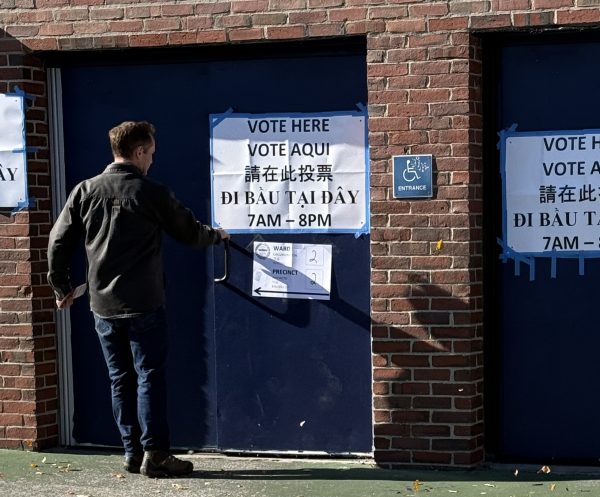
Voters trickled in and out of polling stations on a brisk Tuesday in Boston, casting their votes in the city’s 2025 municipal elections, with housing, education, and transportation on top of mind for many voters. Others cited a desire for elected officials to protect Boston against attacks from the federal government.
On the ballot was incumbent Mayor Michelle Wu, running uncontested, and city council candidates, including eight candidates vying for four at-large seats and a highly watched race for District 7, where two candidates are competing for the only open seat on the city council.
Scope reporters went out to different neighborhoods to speak to voters about their motivations for voting and what they want to see from their elected officials. They spoke with voters in Allston, Back Bay, Charlestown, Dorchester, East Boston, Mission Hill, Roxbury, South End, and West Roxbury.
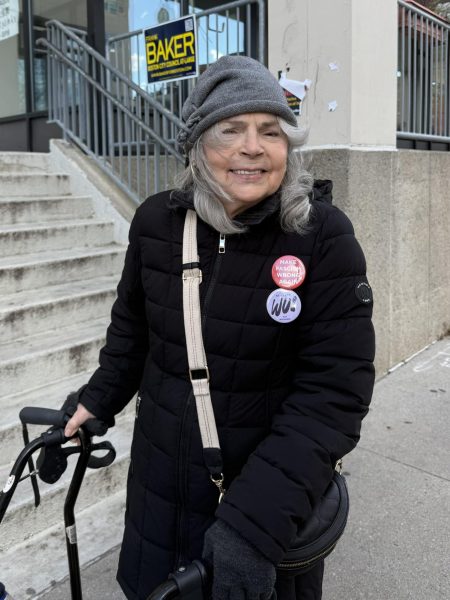
Georgieanna Forte, a 79-year-old Back Bay resident, said housing is her main concern. “We need more housing assistance,” she said. “My rent goes up every time I turn around. There has to be a better way for people living on Social Security and small pensions, it’s gotten impossible.”
Forte said she believes strongly that, “if you don’t vote, you can’t complain.”
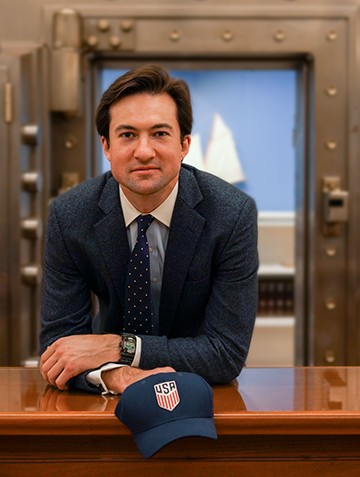
Outside Symphony Plaza East on Massachusetts Avenue, Ethan d’Ablemont Burnes paused to share his thoughts on the election. When asked about voter turnout, a frustrated Burnes suggested that holding local elections during even-numbered years might encourage higher engagement.
The South End resident said education, particularly reading scores, and housing are at the top of his priorities. When asked about Boston’s status as a sanctuary city, he said, “It’s the right thing to do.” Burnes added, “most of the people who are running … share those priorities. The only thing is, I wish schools were bigger priorities.”
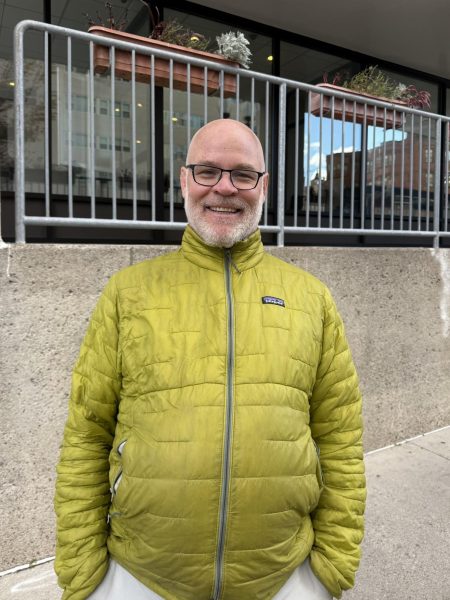
There was a slim crowd over at Bellflower Court in Dorchester, where 69-year-old Stephen Baker expressed his concern with taking pride in the neighborhood’s appearance. He pointed at the leaves on the street and recalled, “See this? When I was a child, my mother made us sweep all this up.” He gestured from one end of the street to the other. Baker also expressed concerns about racism and hopes that his candidate will stand against it.
Voter turnout appeared low throughout the day. The muted turnout may reflect the uncontested nature of the mayoral race, with Wu appearing alone on the ballot after challenger Josh Kraft withdrew from the race in September.
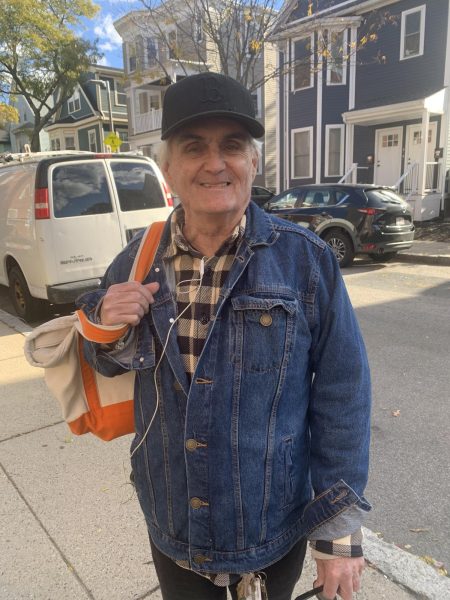
The limited array of mayoral candidates on today’s ballot did not upset 66-year-old retiree Pat Moon from Charlestown, who is a strong admirer of Wu.
“I just want her to continue to gain momentum,” said Moon. “I think she’s a fabulous, smart, young mother. She cares. I mean, think about having three kids and doing the work she does, 24/7, 365, I mean, I’m damn proud of her, absolutely.”
Moon asserts that Wu is the best candidate to fight back against the federal government and preserve Bostonian values from attacks by what she considers to be a rogue Trump administration that has its eyes set on Boston.
“I know she’s one of the next on the hit list for Trump, so I want to make sure that I’m in her corner fighting with my gloves on,” said Moon, passionately.
Ann Kelleher, a 78-year-old Charlestown resident, walked into the Harvard-Kent Elementary School to cast her vote. Accompanied by her husband and friends, the only issue on her mind was the continued commercial development of her neighborhood.
Boston Redevelopment Authority “wants to put 36,000 people in one square mile in the next few decades. That’s offensive,” she said.
She has been a passionate advocate against the attempt by the city and commercial developers to increase building developments in Charlestown, specifically the proposed revitalization of Pier 5, which is currently condemned. She is keen to support a City Council that will preserve the historical character of Charlestown and limit congestion, which she says the area is already struggling with.
“We have too many, too many people living in Charlestown. You can’t breathe. There’s no place to go, sit down and read a book,” Kelleher said.
Cindy Shyr, a 53-year-old Mission Hill resident, had several issues in mind, including affordability for housing and groceries, immigration rights and safety, but one concern stood out among the rest: the public school system.
“There are a lot of challenges, and some challenges are specific to an inner-city school,” said Shyr. “I think that they are trying, but there’s more that can be done.”
The area for improvement that feels most pressing is communication between Boston Public Schools decision-makers and families, she said. Shyr has a personal stake in this issue, having a son in the system.
“There are so many people who work in BPS, yet so little has changed… I think their intentions are in the right place, but I think the way they manage change and the people they bring along with them is less than effective,” Shyr said.
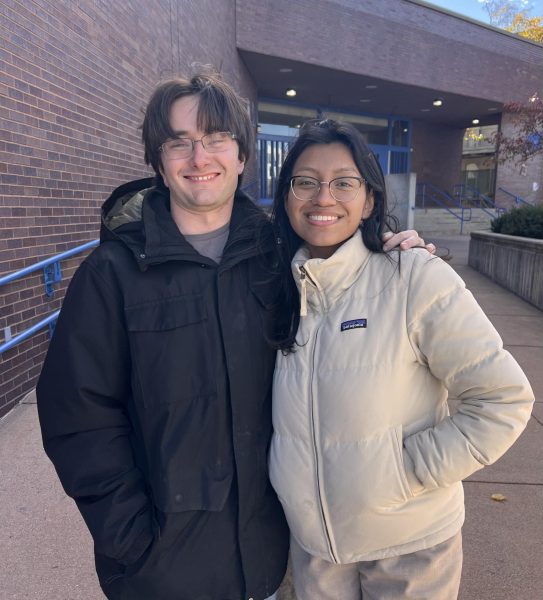
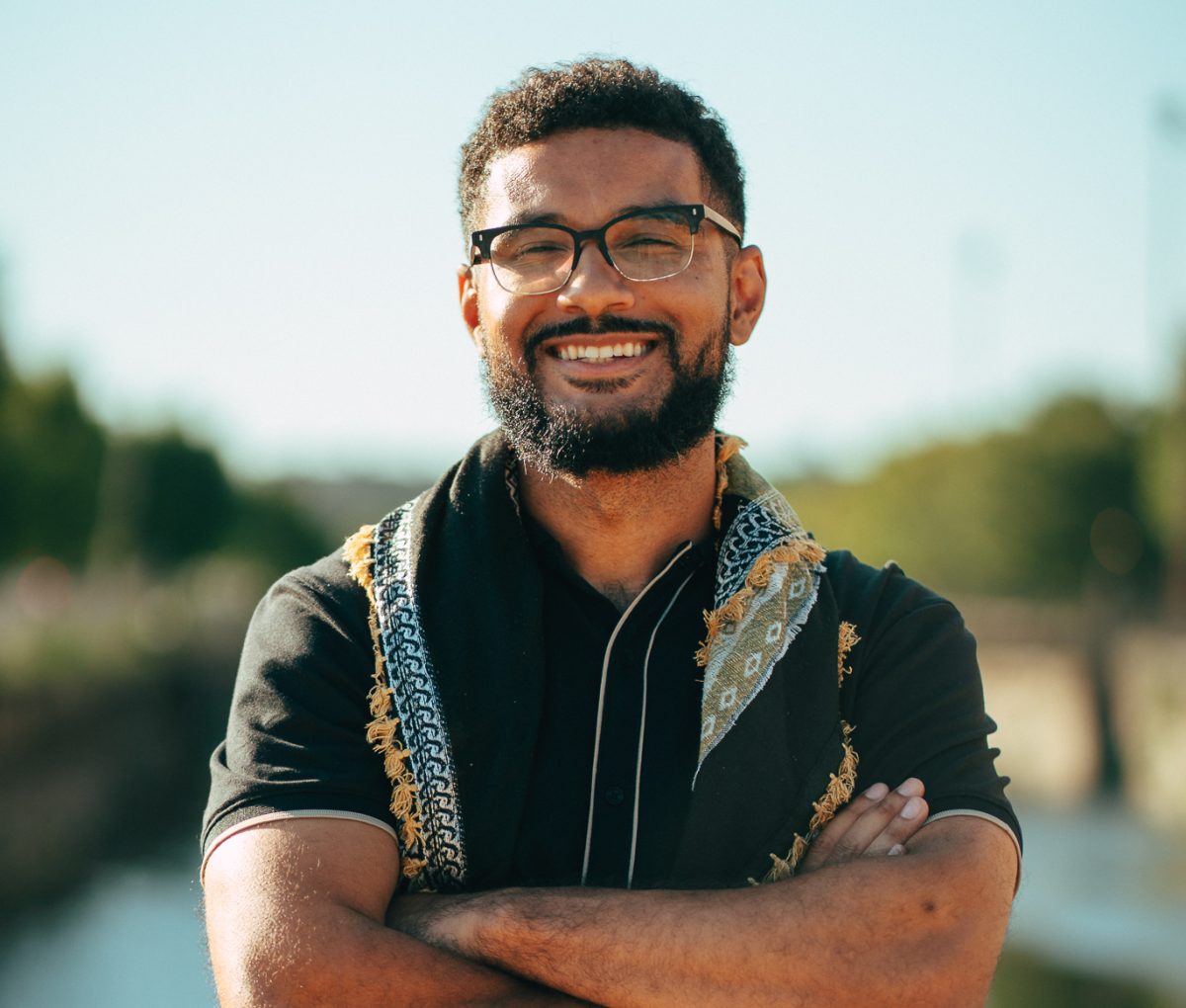
Philip Ryan Kelso, a 23-year-old business analyst and Northeastern University alum living in Allston, cited housing and transit as key issues. Kelso highlighted concerns about Boston’s housing market and emphasized support for expanded bike and bus lanes. “Housing’s the main thing for us,” he said. “If we can’t afford to live here long-term, none of the other policies matter.”
A 24-year-old grocery store employee in Allston, Harry Dorer, identified transportation and housing as his top issues. He said he relies heavily on biking and public transit to get around the city, and views investment in those systems as essential for residents like him.
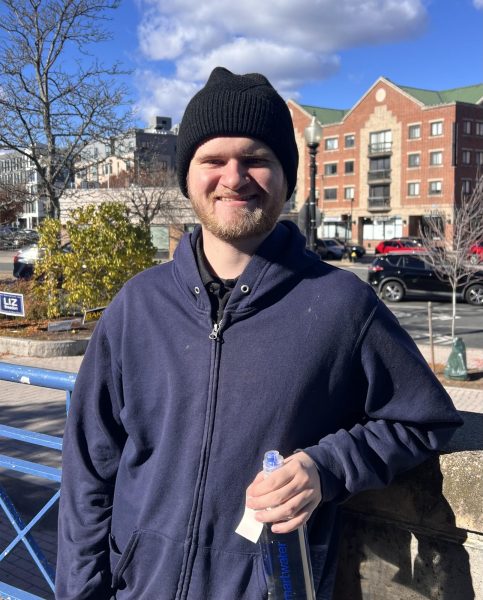
He believes that community safety and equity are important factors for the city of Boston to focus on. Dorer also expressed support for Wu’s focus on bike infrastructure and praised her defense of immigration protections. However, he noted that city leadership could do better in handling public pushback to new policies and infrastructure changes.
Ultimately, he hopes Boston continues to grow while remaining affordable for working residents. “I want to be able to call this place home,” he said.
Contributing to this story were: Allyson Alford, Sofia Baah, Sk Safrin Begum, Lily Blair, Kirsten Burek, Emma Capshaw, Ivy Chen, Camryn Cunningham, Andrea Putri Gani, Kiley Giordano, Lily Hamson, Jillian Iredale, Cassandra Joyce, Sadie Kan, Andrew Longo, Gabriella Mbaoua, Daphne Morales, Inaaya Omer, Mark Puskey, Rachel Vogel, and Jordan Ziese.