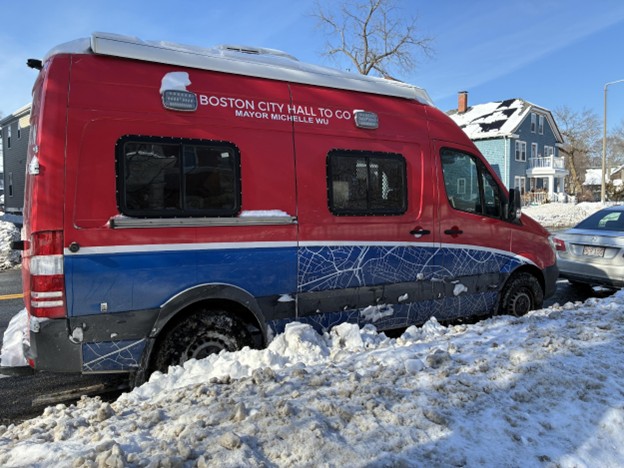

Boston’s public transit system is stepping up its efforts to prevent fare evasion this fall by adding staff to check fares, a decision that has drawn mixed responses from commuters and sparked debate among transit advocates.
As the Massachusetts Bay Transportation Authority, or the MBTA, implements new changes to its Fare Engagement Program, the new policies divide students, commuters, and advocates over its effectiveness and accessibility. This debate highlights a broad issue in Boston transit, revealing its struggle to balance adequate revenue collection while remaining a form of equitable and accessible public transit.
“They’re definitely checking tickets more. There were certain trains where they didn’t check tickets at all,” Bill St. George, a 61-year-old tour guide for Great Boston Tours and a regular rider on the Commuter Rail, said. “But it makes sense. How are you going to fund the thing if you don’t have any money? There are dozens of people that don’t pay, and you need to collect that.”
On Sept. 8, the MBTA deployed 16 Fare Engagement representatives at subway stations and onboard transit vehicles to conduct fare checks and issue warnings or fines for evasion. The initiative is inspired by the millions in lost revenue due to fare evasion. Some riders say it is necessary because public transit is not free, while others consider it unnecessary. Transit advocates say the presence of these representatives has not made a noticeable difference, leaving fare evasion generally unaffected.
A 2021 public hearing estimates that the MBTA loses between $5 and $6 million in revenue annually. The Fare Engagement Program aims to reduce these losses. First-time offenders receive a warning, but repeat offenders may face escalating fines of up to $100.
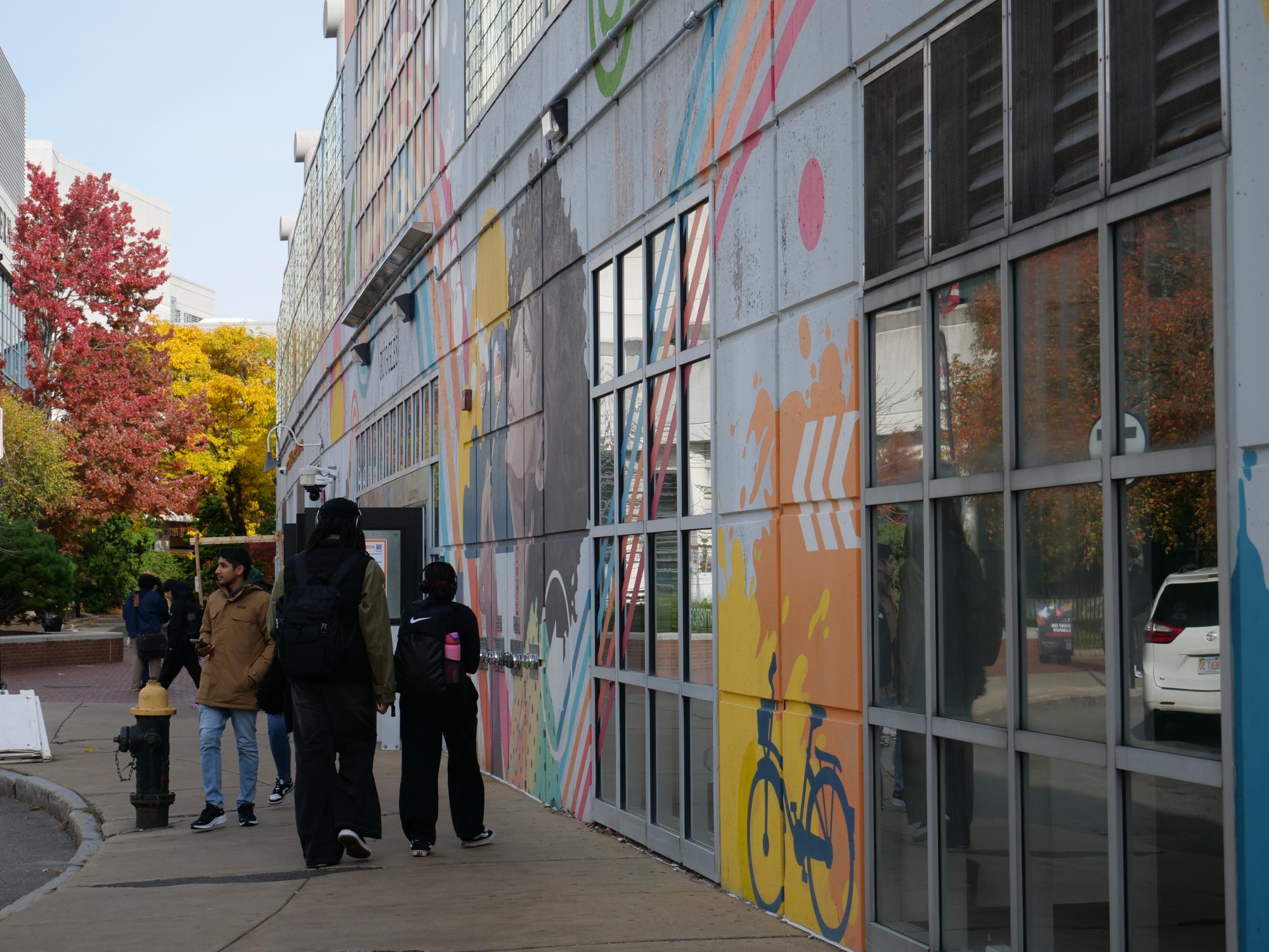
Julia Goodman, a junior English and international relations major at Boston College, often takes the Green Line train to travel from Chestnut Hill into the city. She first learned about the new fare enforcement policies on social media, and after learning about the potential consequences of evading fares, Goodman felt more pressure to always pay.
“It used to not be a big deal. I feel like I actually have to pay it because they’re making you do it, when before, you could just skip [the fare],” Goodman said. “When they make it public that they are taking it more seriously, it makes me want to pay so I can avoid any issues.”
As she came out of the steps of the Green Line at Copley Station, Goodman witnessed a fare evader who did not face consequences, and said she hadn’t noticed the fare engagement representatives in action.
“There was someone down there who jumped through the [turnstile] and they didn’t do anything,” Goodman said. “I haven’t noticed it too much.”
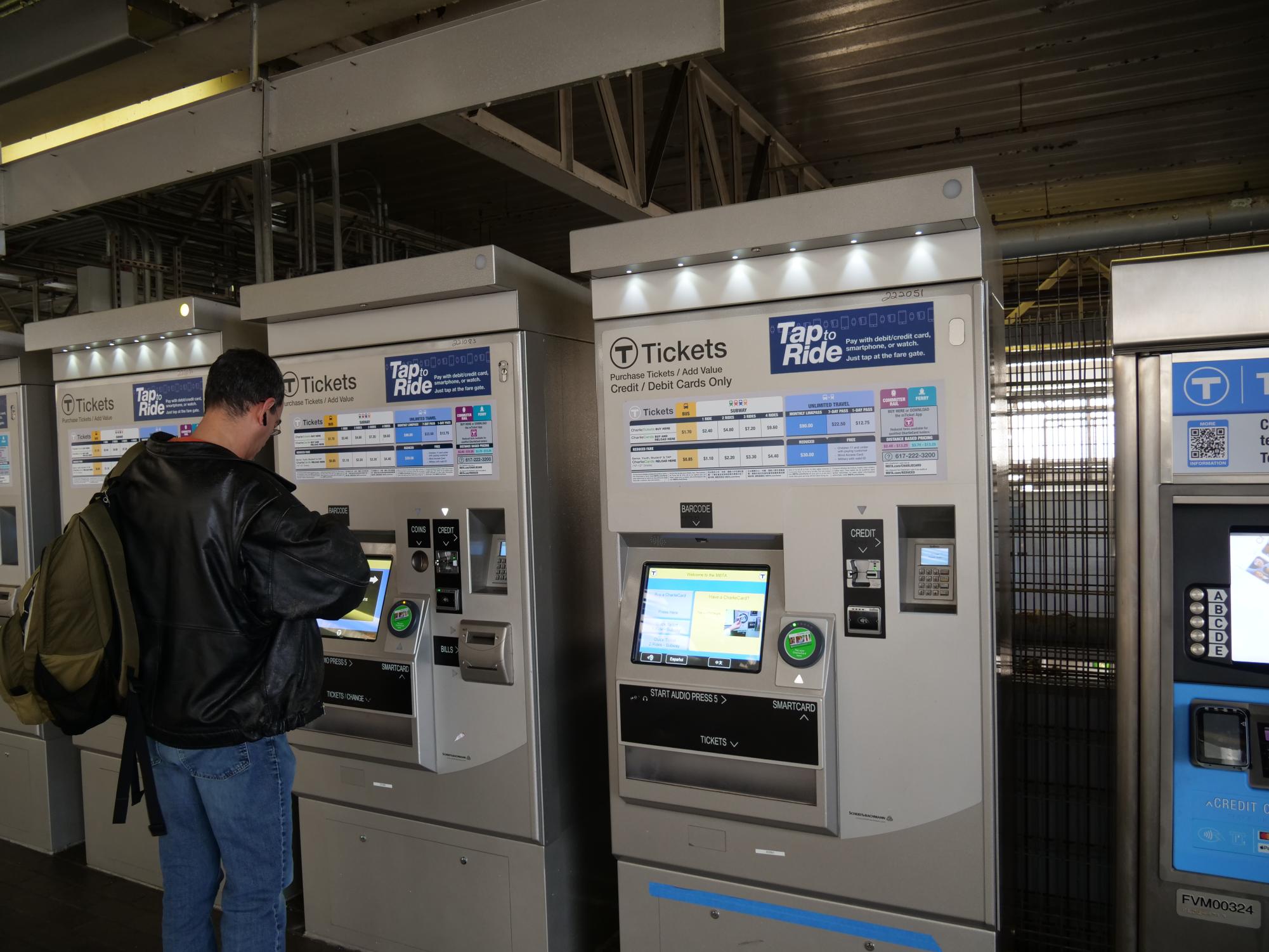
Harry Schlossberg, a junior mechanical engineering major at Northeastern University, saw a group of students board the train without paying and said the conductor got up from his seat to scold the students.
“He goes and yells at them, saying they weren’t above the rules, it’s not his job to make sure everyone pays, and that this is not a free service,” Schlossberg recalled. “I think they ended up paying and felt pressured to.”
Both Goodman and Schlossberg agree that, as students, public transit should be free or that they should receive university-subsidized transit.
“I think it’d be nice if it was free for students,” Schlossberg said. “I think their actual way of going about it, with the warning system and all that, isn’t bad. It’s better than having the police enforce it.”
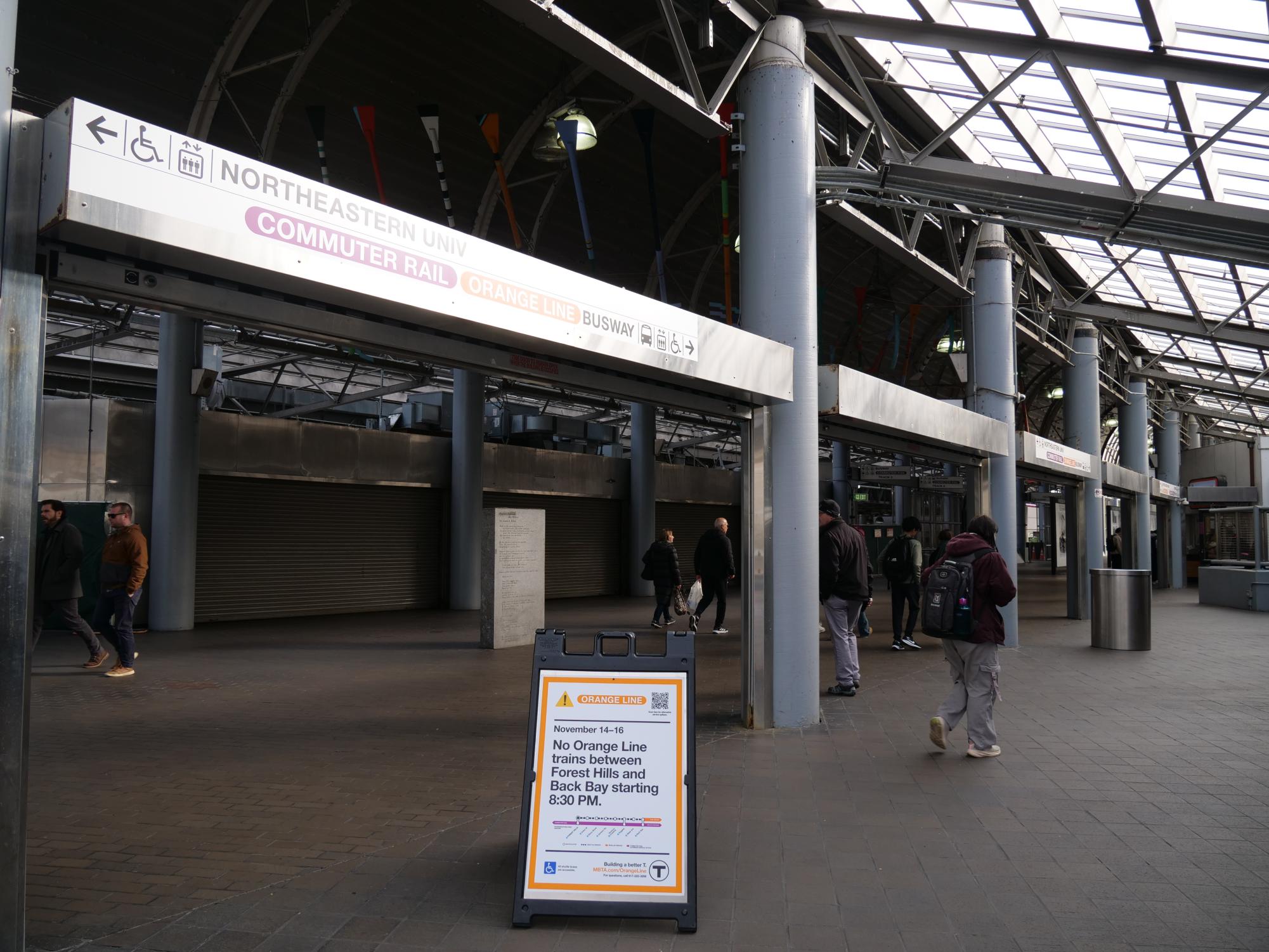
Many daily commuters have expressed their opinions on this initiative. James Spencer, a 29-year-old lab manager at Harvard Medical School’s Bernhardt Lab, resides in Brockton and relies on multiple forms of public transit, including the Commuter Rail, to get to his job in Longwood.
“I pay for a monthly pass, so I have to pay for every ride that I take,” Spencer said. “It feels unfair that [fare evaders] get the same type of service. They use the same train, the conductor still has to make a wage, and they have to pay to maintain the system. I think it’s fair for people to contribute.”
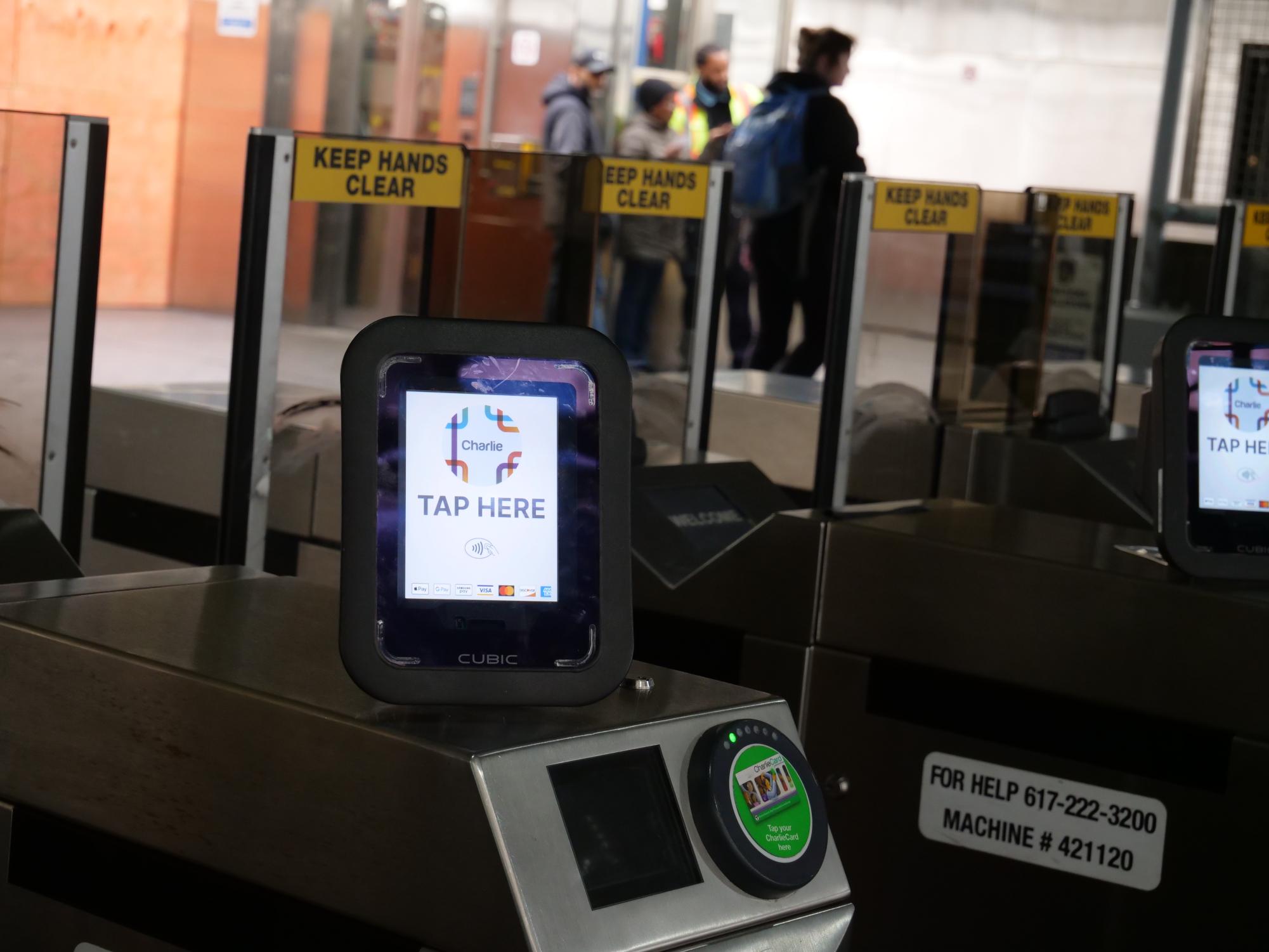
While commuters navigate the program’s impact, transit advocates debate whether or not the program is cost-effective. Maha Aslam, a project manager for Transit+ Streets at Livable Streets Alliance, said more money is being spent on these representatives than the money being lost in evasion.
“If you look at the larger budget that the T has, [fare evasion loss] is a very small amount in it,” Aslam said. “I don’t know how much fare they are going to collect with how much they’re spending in trying to make people pay that fare.”
Aslam noted that stronger fare enforcement does not address the inherent issues of public transit in Boston, like its disproportionate accessibility and structural inequality.
“Nobody should be discriminated against because they can’t pay $2 or $3. Transit is essential as any other thing like healthcare,” Aslam said. “There has to be a shift in how we see transit, not as something that is just good to have but as a need in today’s day and age.”