
In early November, the FoodSource Hotline at Project Bread, a nonprofit organization dedicated to preventing food insecurity in Massachusetts, received four times as many calls as last year. The organization said that one food pantry reported serving more clients in a single day that month than it did in an entire week during the height of the COVID-19 pandemic.
Food insecurity has long plagued Boston residents, with reported national rates increasing annually. This year, cuts to federal food assistance programs have only exacerbated food insecurity in Boston and sent nonprofit organizations into overdrive.
President Donald Trump’s first year into his second term was punctuated by a 43-day government shutdown, the longest in U.S. history. As a result of this congressional lull, Supplemental Nutrition Assistance Program, or SNAP, benefits were delayed in reaching people’s pockets.
“These surges in demand show the dire need for timely SNAP benefits, as more families turn to emergency food systems for support,” said Project Bread Assistant Director of Communications Raina Searles Sibanda.
In September of this year, 1 in 5 Boston residents, or more than 140,000 people, are recipients of SNAP, according to the City of Boston website. These 89,000 households were expected to be affected by the SNAP freeze during the government shutdown.
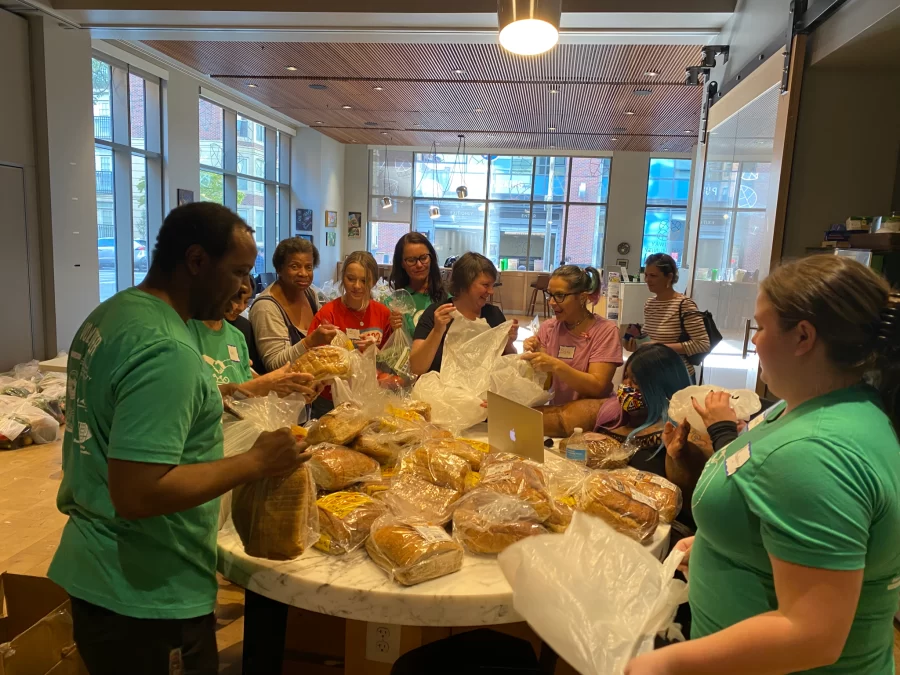
“During the government shutdown delay, we saw the emergency food system under pressure,” said Sibanda. “People rushed to their local food pantries, tried to use the networks and resources available to them, and had to make hard choices as the rent came due, but there was no money for food on Nov. 1.”
Sibanda described the SNAP delays as a part of a “larger pattern of systemic inequities and political maneuvering that drive food insecurity in Massachusetts.”
That is why Project Bread’s work connecting Massachusetts residents to reliable sources of food is especially important to Sibanda. Project Bread advocates for policies that make food more accessible, including changes to ensure the stability and timeliness of food assistance programs such as SNAP.
“While the government shutdown lasted 43 days, hungry families were held hostage, as a bargaining chip, even though the Trump administration could have distributed full benefits immediately, as has been the case in every other government shutdown since the SNAP program began in 1939,” said Sibanda.
The government has been up and running again since Nov. 13, but funding reductions included in the One Big Beautiful Bill Act (which Trump signed into law in July) considerably reduce SNAP resources. In total, this legislation reduces SNAP funding by 20% or $186 billion over the next 10 years, making it the most significant reduction in the program’s history.
The One Big Beautiful Bill Act also imposes stricter work requirements on SNAP participants. Now, the minimum work requirements of 20 hours a week broadly apply to anyone between the ages of 14 and 64, or they only receive benefits for three months, rather than three years. Before these changes, work requirements only applied to able-bodied adults between the ages of 18 and 54 without dependents.
A data analysis from Boston Indicators estimates that this bill puts at least 40,000 adult SNAP recipients in Greater Boston at risk of losing some or all of their benefits.
“Food pantries and community organizations saw overwhelming demand, stretched their resources and staff capacity thin. Schools are also feeling the strain, as many students rely on school meals for daily nutrition. Health systems are seeing more patients who are food insecure, leading to worsened health outcomes,” Sibanda said.
Communities most affected by SNAP delays are often those already facing significant economic challenges. Massachusetts SNAP recipients are 32% children, 25% seniors, and 29% people with disabilities, according to Project Bread. The remaining benefits go to working adults unable to make a living wage and caregivers balancing the full-time care of loved ones with earning income.
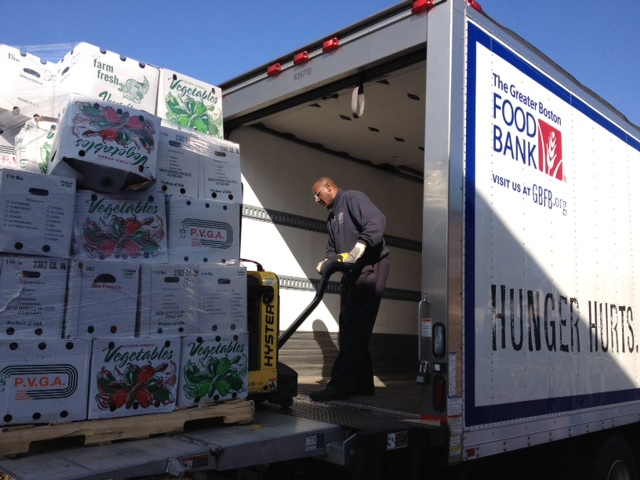
Alongside Project Bread, other organizations such as The Greater Boston Food Bank are also working to combat rising food insecurity in Boston communities.
“SNAP lifts approximately 85,000 people in Massachusetts out of poverty each year, including 17,000 children,” said Sibanda. “When SNAP benefits are delayed, these are the people who suffer most.”
SNAP benefits have been restored to Boston families, but long-term changes to the program from the One Big Beautiful Bill Act stand disproportionately impacting marginalized communities throughout the city.
“[SNAP delays] make it even harder for low-income families to balance their food needs with other necessities, such as rent, healthcare, and utilities, exacerbating the cycle of poverty,” Sibanda said. “Especially with the end of the shutdown and families facing rising health care costs, we will likely see those disparities continue to widen.”